He Had No Idea He Owned the Brooklyn Bridge — Until a Lawyer Called
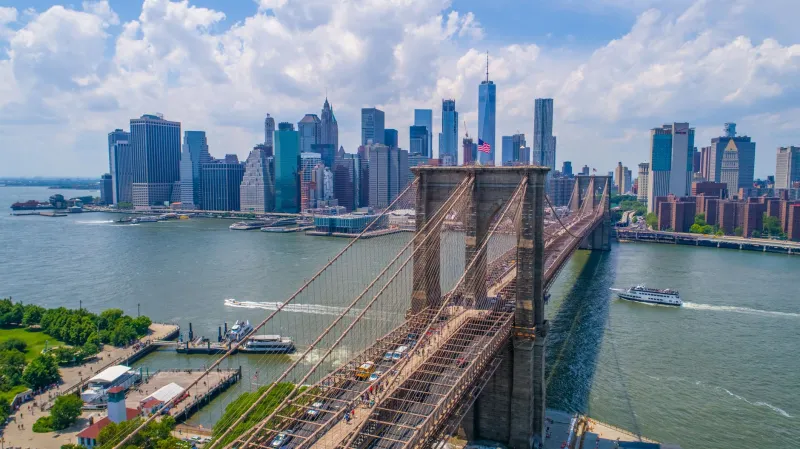
There's an old con as American as apple pie: selling the Brooklyn Bridge to some unsuspecting rube. It's a punchline, a metaphor, a shorthand for getting swindled. But in the 1930s, New York City's own bureaucracy managed to pull off the exact same trick — on itself — and nobody noticed for eleven years.
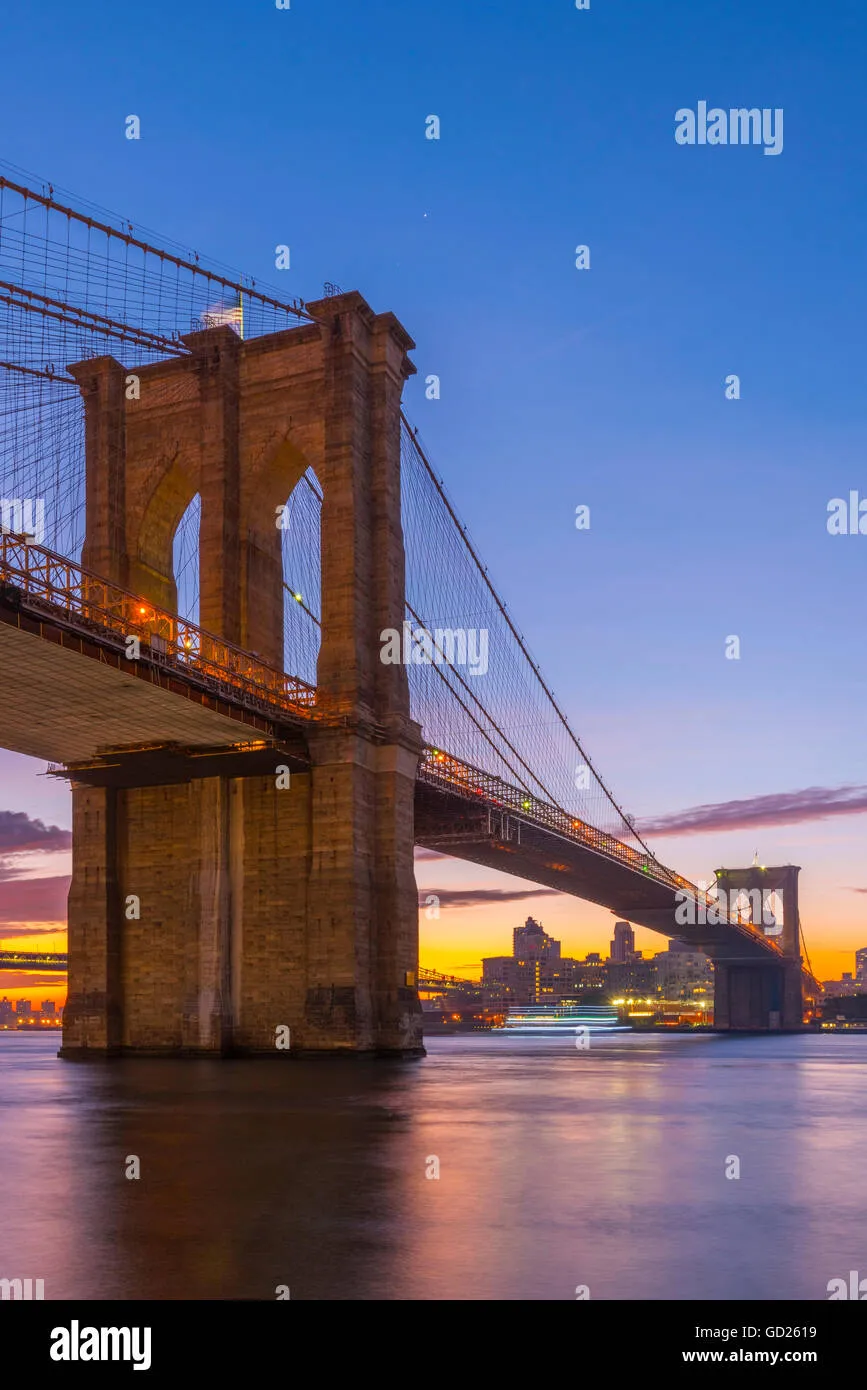 Photo: Brooklyn Bridge, via c8.alamy.com
The victim, if you can call him that, was a mild-mannered accountant from Brooklyn named Walter Creighton. He never tried to buy a bridge. He never wanted a bridge. As far as he knew, he was just a man with a modest apartment, a steady job, and no particular interest in suspension cables or East River crossings. Then a lawyer called.
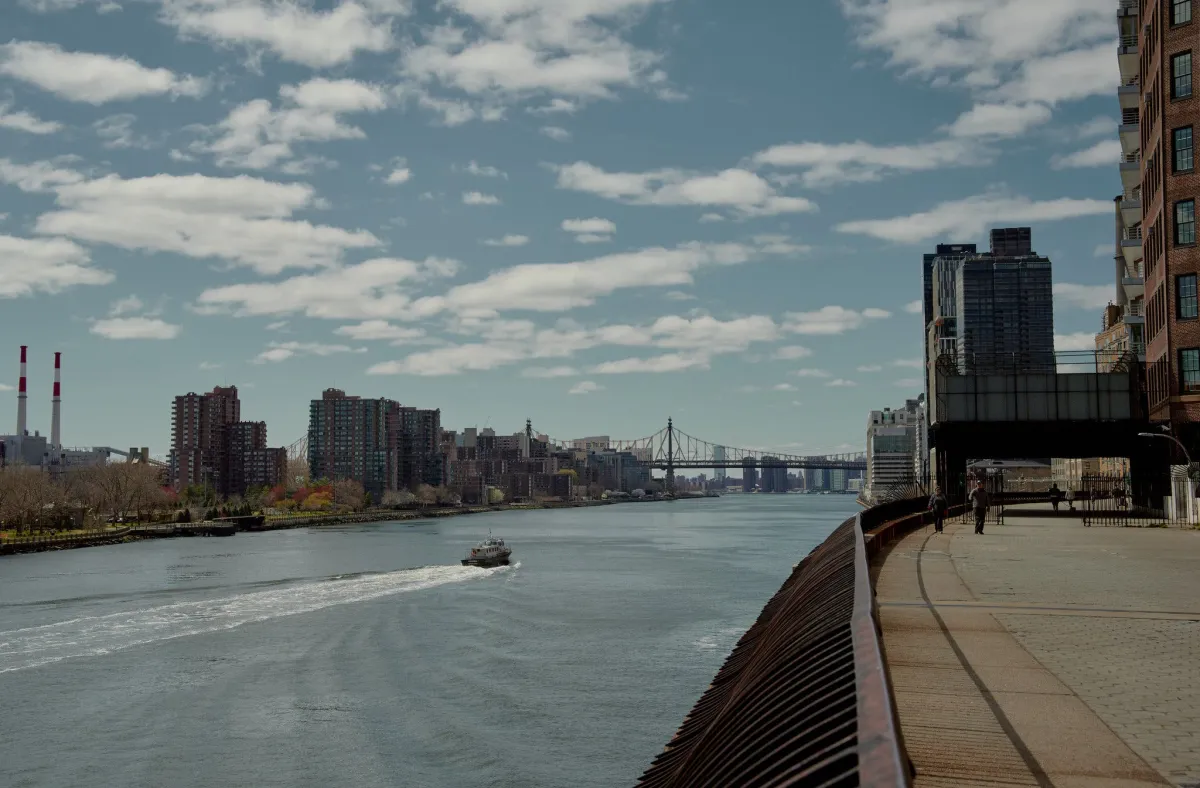 Photo: East River, via static01.nyt.com
How You Accidentally Acquire a National Landmark
The year was 1931. New York City was deep in the administrative chaos that the Great Depression had unleashed on municipal offices everywhere. Staff had been cut. Record-keeping had gotten sloppy. And somewhere inside the labyrinthine property registry of New York City's finance department, a clerk made a mistake so spectacular that it would take more than a decade to surface.
The error traced back to a routine reassessment of city-owned infrastructure. A junior records clerk, tasked with updating property ledgers, was working through a stack of parcels associated with bridge approaches and anchorage lots near the Brooklyn waterfront. Creighton owned a small commercial property in the vicinity — a modest lot he'd inherited from his father and rented out for storage income. Somehow, through a combination of transposed parcel numbers and a carbon copy that smeared at exactly the wrong moment, Creighton's name ended up attached to a property designation that encompassed the bridge's Brooklyn anchorage structure.
In the city's official records, Walter Creighton was now the private owner of a not-insignificant chunk of the Brooklyn Bridge.
Nobody caught it. The city sent no tax bill — the bridge was exempt from property tax, being public infrastructure. Creighton received no deed, no letter, no notification of any kind. The error simply sat in the ledger, inert and invisible, while the bridge continued to carry a hundred thousand people a day across the East River, blissfully unaware it had a new landlord.
The Moment the Absurdity Became Undeniable
For eleven years, nothing happened. Then, in 1942, a title insurance company conducting a routine search on a neighboring parcel stumbled across the anomaly. The researcher, presumably after rubbing her eyes and checking her notes a second time, flagged the entry. Her supervisor confirmed it. Then their supervisor confirmed it. Then someone called the city.
The city, to its credit, did not immediately fix the problem. Instead, it did what bureaucracies do best: it convened a review, which spawned a committee, which requested documentation, which led to the discovery that the original error had been compounded by two subsequent clerical updates that had simply copied the wrong information forward without questioning it. By 1942, Walter Creighton's ownership of the Brooklyn Bridge anchorage was three layers deep in the official record.
When city attorneys finally reached Creighton to explain the situation, his reported response was something close to bewilderment. He had never received a single benefit from his accidental ownership. No rent. No toll revenue. No ceremonial key. Just eleven years of being, on paper, one of the most improbable property owners in American history.
The Fix That Broke Something Else
Here's where the story gets truly New York. The city's legal team moved to correct the record, which should have been a straightforward administrative process. Except that under the property law framework in place at the time, formally voiding a recorded title transfer — even an obviously erroneous one — required either Creighton's signed consent or a court order.
Creighton, a reasonable man by all accounts, agreed to sign. But his attorney, perhaps sensing an opportunity, advised him that signing away a property interest — however absurd — without any consideration could create its own legal complications. There were brief, surreal negotiations between a private citizen and New York City over the symbolic value of a bridge neither party had intentionally traded.
The city ultimately resolved the matter through a quiet court filing in 1943, which formally extinguished Creighton's inadvertent claim. The judge's written order reportedly described the situation as "an administrative irregularity of unusual character" — which is courthouse language for "we cannot believe we are doing this."
The correction, however, introduced a new wrinkle. In voiding the transfer, the court's paperwork temporarily created a 48-hour window during which the anchorage parcel appeared in the registry without any owner at all — technically making a piece of the Brooklyn Bridge an ownerless property under New York law. The city filed a corrective deed the same week, but not before a sharp-eyed real estate attorney reportedly inquired whether an adverse possession claim was theoretically possible.
It was not. But someone asked.
Why This Story Is More Than a Punchline
It would be easy to file this one under "only in New York" and move on. But the Brooklyn Bridge episode points to something genuinely unsettling about the infrastructure of property law: it runs almost entirely on the assumption that the paperwork is correct.
Title searches, deeds, and registry entries form the backbone of how Americans own things. When that system hiccups — even once, even absurdly — the consequences can echo for years. Walter Creighton never tried to own the Brooklyn Bridge. He never would have. But for eleven years, the official record of New York City said otherwise, and not a single safeguard caught it.
The bridge, for its part, kept standing. It always does. It just briefly had a very confused accountant from Brooklyn listed as a partial owner — which, honestly, might be the most New York thing that has ever happened.