The Forecaster Who Got Everything Wrong — and Saved Thousands of Lives Doing It
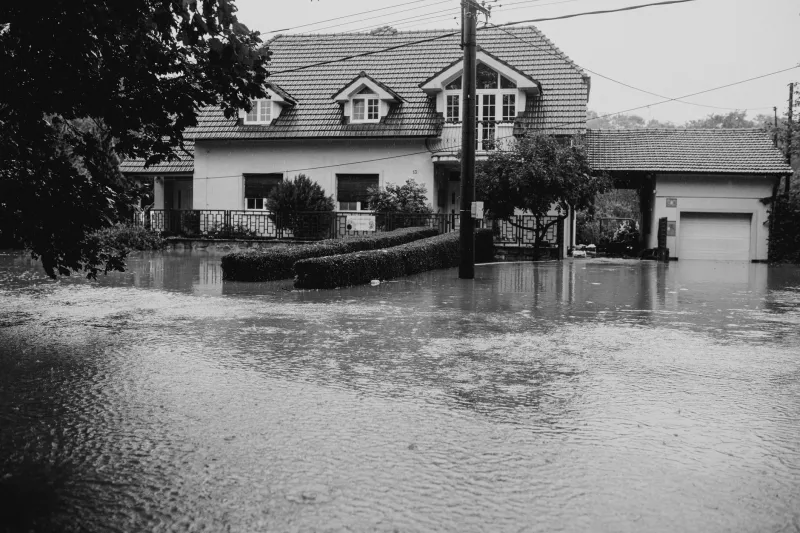
There is a version of professional competence that looks, from the outside, indistinguishable from catastrophic failure. Charles Pierce lived that version in September 1938, and it cost him his reputation while simultaneously saving somewhere between five and ten thousand lives.
 Photo: Charles Pierce, via www.nn-globalcareers.com
The storm that would become known as the Long Island Express — the Great New England Hurricane of 1938 — was the most powerful tropical cyclone to strike the northeastern United States in the twentieth century. It killed hundreds of people, demolished entire coastal communities, and arrived with almost no warning for most of the people in its path. Except, in a deeply strange twist of meteorological fate, for many of the people who needed the warning most.
 Photo: New England, via c8.alamy.com
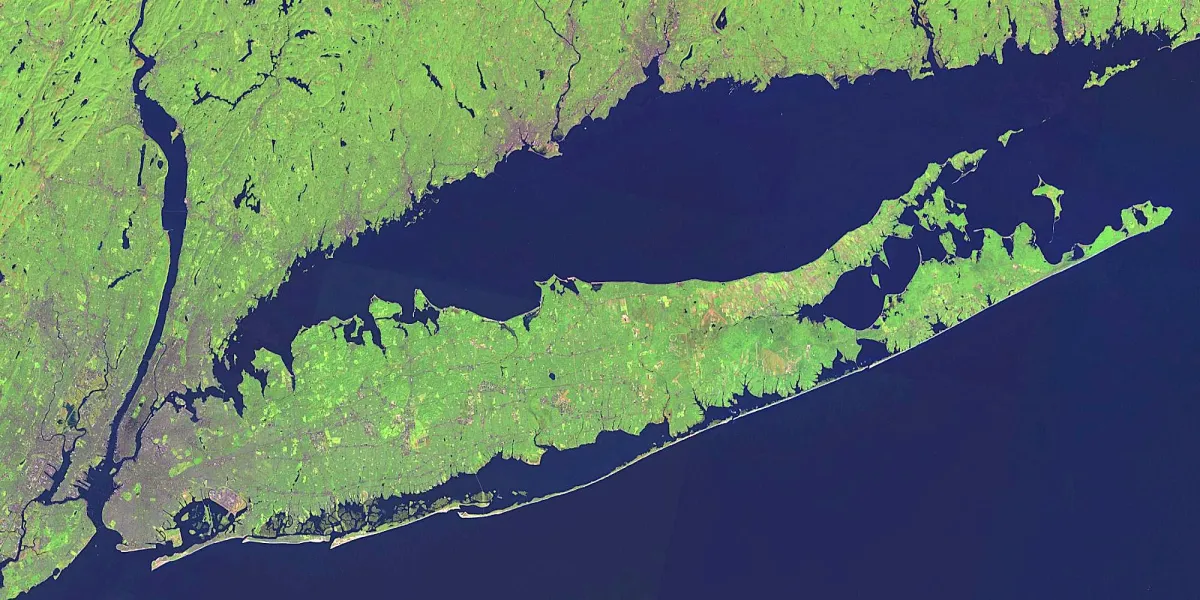 Photo: Long Island, via www.longisland.com
And the man responsible for that accidental miracle was the same man who got almost every official forecast completely wrong.
The Storm Nobody Saw Coming
By the second week of September 1938, a powerful hurricane had been churning up the Atlantic seaboard. The U.S. Weather Bureau, headquartered in Washington, was tracking it. Charles Pierce, a junior forecaster, had been studying the storm's behavior carefully and had developed a deeply unpopular theory: the hurricane was not going to curve harmlessly out to sea the way Atlantic storms typically did. Instead, he believed it was going to accelerate northward and slam directly into New England.
His supervisor, a veteran forecaster named Charles Mitchell, disagreed. Strongly. Mitchell had decades of experience and a firm conviction that the atmospheric pattern would steer the storm east before it could reach the coast. He overruled Pierce's warnings and issued the official forecast: the storm would remain offshore or make landfall far south of New England, likely near New Jersey or Delaware.
Mitchell was confident. He was experienced. He was, as it turned out, almost entirely wrong.
The hurricane accelerated to nearly 70 miles per hour forward speed — extraordinarily fast for a tropical system — and drove straight into Long Island and southern New England on September 21st. The official forecast had been so dismissive of a northern track that many coastal communities in Connecticut, Rhode Island, and Massachusetts had received no meaningful warning at all.
Where the Strange Part Begins
Here is where the story takes its genuinely bizarre turn.
Pierce, despite being correct about the general trajectory, had gotten the specific details of his unofficial warnings badly wrong in a very particular way. In his attempts to alert people outside of official channels — conversations with colleagues, informal communications that circulated through coastal weather observer networks — he had described the storm's likely landfall point inaccurately, placing it considerably further south and west than it actually struck. He had also, in his urgency, conveyed alarm about storm surge impacts in areas that were not, in the end, the hardest hit.
But here's the thing: the regions Pierce had incorrectly flagged as high-risk happened to be populated by people who took his warnings seriously and evacuated or moved inland. Many of them were in areas that did experience significant flooding — just not the catastrophic surge Pierce had described. His exaggerated, inaccurate warnings produced real protective behavior in real people who genuinely needed to move.
Meanwhile, the communities that received Mitchell's official forecast — the one that correctly identified the southern coastal areas as the storm's intended target before it turned — largely stayed put, confident that the bureau had told them they were in the path and that they could shelter in place in their familiar storm routines. The official accuracy bred a kind of fatal complacency.
The result was a macabre reversal: the wrong warnings moved people out of danger, and the right warnings didn't move them enough.
The Numbers That Don't Add Up — Until They Do
Historians and meteorologists who have studied the 1938 hurricane have estimated that the storm's death toll, while devastating at roughly 600 confirmed fatalities, could easily have exceeded several thousand under different circumstances. The speed of the storm's arrival — it crossed Long Island in roughly forty minutes — meant that anyone caught in low-lying coastal areas without prior warning had almost no chance of survival.
The informal evacuations that Pierce's incorrect warnings had prompted, particularly in certain stretches of the Connecticut shore and Rhode Island's coastal communities, removed thousands of people from the most lethal zones before the surge arrived. Post-storm analysis of who survived and where they had been pointed repeatedly to the same pattern: people who had heard alarming, inaccurate second-hand warnings and acted on them were disproportionately alive.
Pierce himself was not celebrated for this outcome. He was, in the immediate aftermath, viewed primarily as the junior forecaster who had been overruled by his superiors and whose unofficial communications had created confusion and, in some quarters, unnecessary panic. The fact that his confusion had aligned almost perfectly with the geography of survival was treated as coincidence rather than vindication.
Mitchell retired. Pierce continued working in meteorology for years, eventually earning recognition for his contributions to hurricane forecasting methodology — including, with some irony, improved techniques for predicting storm acceleration events of exactly the type that had made the 1938 hurricane so deadly.
What the Storm Left Behind
The 1938 hurricane fundamentally changed how the United States thinks about hurricane preparedness for northern latitudes. Before that September, the conventional meteorological wisdom held that New England simply wasn't a realistic target for major tropical systems. After it, that assumption was permanently retired.
And somewhere in the wreckage of the official forecast record and the unofficial warnings and the strange, accidental geography of survival, there's a lesson that doesn't fit neatly on a weather chart: being wrong in the right direction, at the right moment, with enough urgency to make people move, can matter more than being right with insufficient alarm.
Charles Pierce got almost everything wrong about the Great New England Hurricane. The storm disagreed with his details at nearly every turn. But his mistakes, passed through a chain of informal communications and anxious coastal communities, produced real people making real decisions that kept them alive.
Sometimes the forecast that saves you is the one that never should have been issued at all.