The Melody That Launched a Thousand Hangovers
Every time you stand for the national anthem at a baseball game, you're listening to a tune that once accompanied some of the most spectacular drinking binges in 18th-century London. "The Star-Spangled Banner" is set to the melody of "To Anacreon in Heaven," the official song of a British gentlemen's club whose members regularly drank themselves unconscious while belting out its famously difficult high notes.
The song that now brings tears to patriotic eyes began its life helping wealthy Londoners achieve legendary states of intoxication. And the story of how that boozy British tune became America's most solemn musical tradition is stranger than any fiction writer would dare imagine.
Meet the Anacreontic Society (Where Dignity Went to Die)
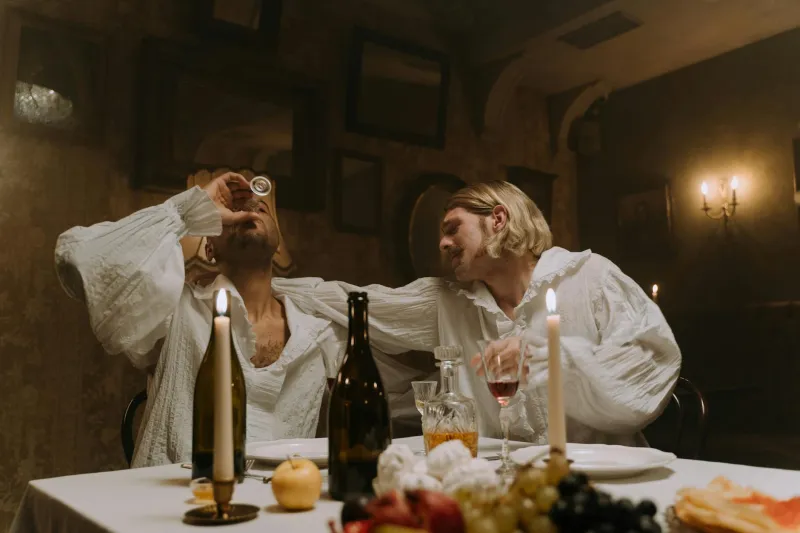
The Anacreontic Society met every other Wednesday at the Crown and Anchor Tavern in London's Strand district. Founded in the 1760s, the club was named after Anacreon, the ancient Greek poet famous for verses about wine, women, and song — which should have been everyone's first clue about what went on at their meetings.
The society's 200 members included some of London's most distinguished gentlemen: members of Parliament, successful merchants, and notable artists. They gathered ostensibly to appreciate music and poetry, but contemporary accounts suggest they were far more successful at appreciating large quantities of alcohol.
The evening's entertainment began with a formal performance of "To Anacreon in Heaven," composed by John Stafford Smith around 1773. The song was notoriously difficult to sing, with a range spanning an octave and a half and requiring the singer to hit a high F — a challenge that became exponentially more difficult as the evening progressed and the wine flowed freely.
"The test of membership was whether a gentleman could sing the song solo after consuming the society's traditional quota of spirits," wrote historian James Fuld. "Many failed spectacularly."
When War Poetry Met Tavern Tunes
Fast-forward to September 1814, when Francis Scott Key found himself aboard a British ship in Baltimore Harbor, negotiating a prisoner exchange during the War of 1812. Through the night, he watched British forces bombard Fort McHenry, and by dawn's early light, he saw the American flag still flying over the fortress.
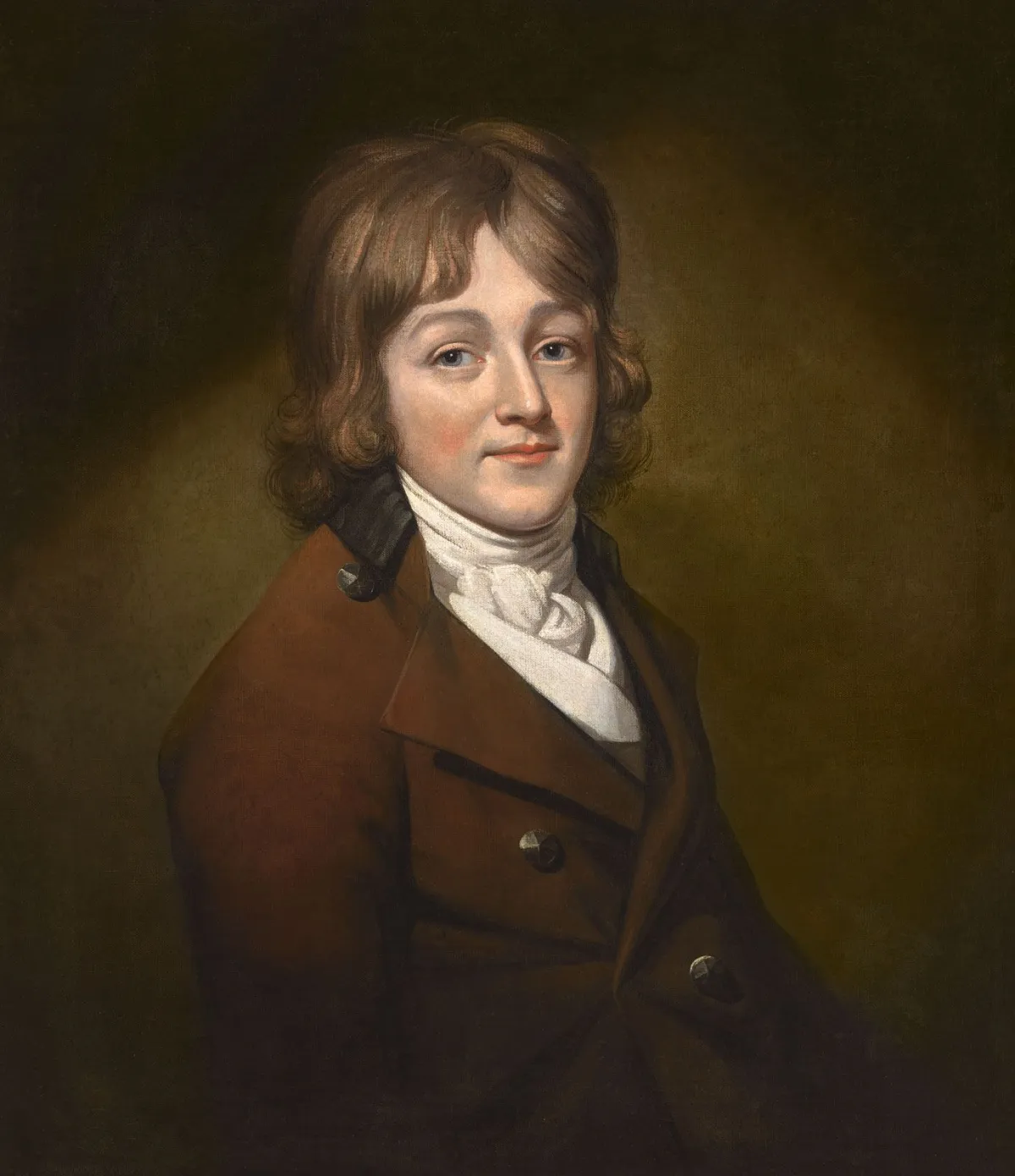 Photo: Francis Scott Key, via cdn.britannica.com
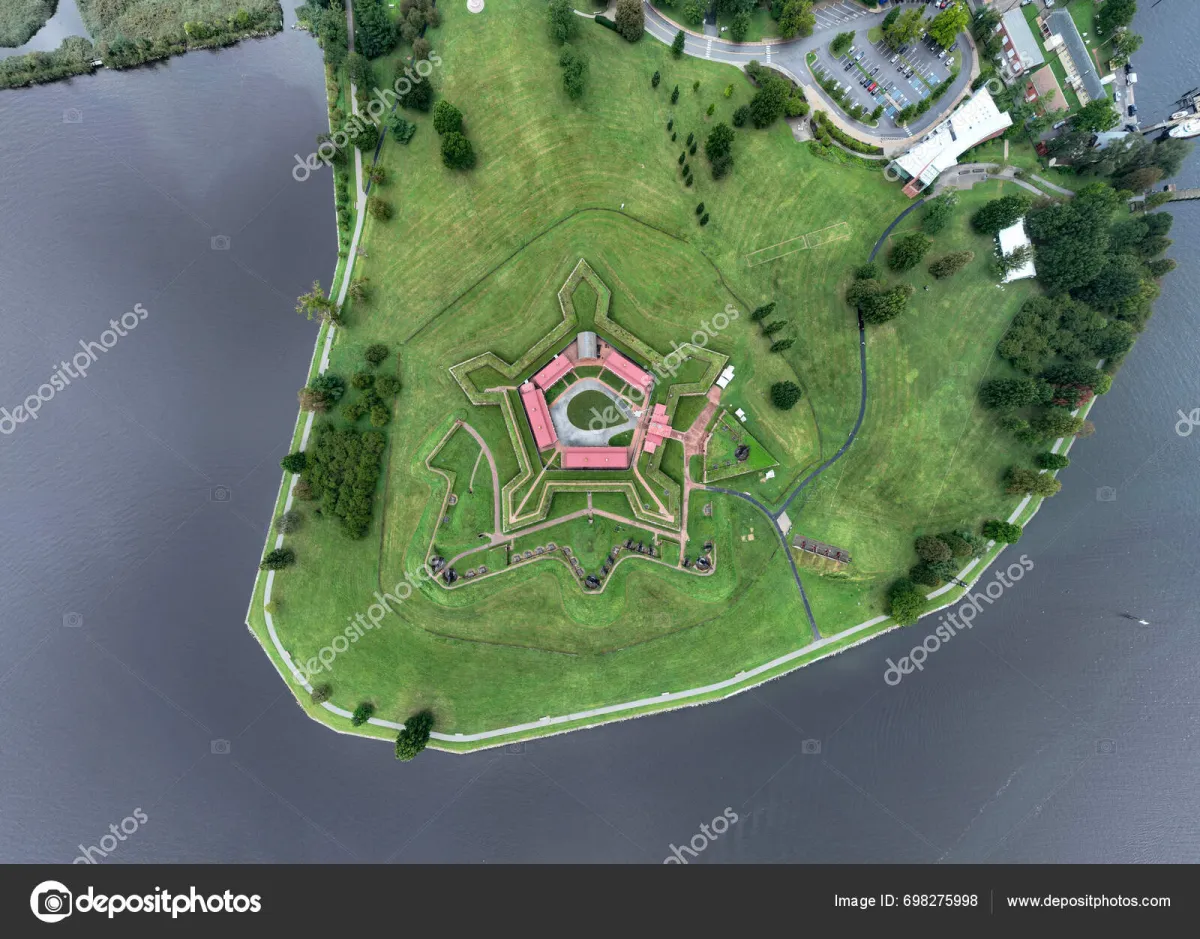 Photo: Fort McHenry, via st5.depositphotos.com
Inspired, Key wrote a poem called "Defence of Fort M'Henry" on the back of a letter. When he returned to Baltimore, he showed the verses to his brother-in-law, Judge Joseph H. Nicholson, who immediately recognized that the meter perfectly matched a popular song everyone knew: "To Anacreon in Heaven."
The irony was lost on no one. America's stirring tribute to freedom was being sung to the tune of a British drinking song. But the melody was so well-known and singable (when sober) that it stuck.
Within weeks, "The Star-Spangled Banner" was being performed in taverns, theaters, and public gatherings across the young nation — though probably with significantly less alcohol than its original British audiences required.
The 117-Year Argument About Drinking Songs and Patriotism
What followed was one of the longest, most heated cultural debates in American history. For over a century, Americans argued about whether a former drinking song was appropriate to represent the nation.
The controversy wasn't just about the melody's origins. "The Star-Spangled Banner" faced serious competition from other patriotic songs that didn't require singers to hit impossible high notes or remember four complex verses.
"America the Beautiful" had a much easier melody and more inclusive lyrics. "My Country, 'Tis of Thee" used the same tune as "God Save the King," which some found problematic for different reasons. "Yankee Doodle" was too silly. "Hail, Columbia" was too militaristic.
Meanwhile, temperance advocates specifically objected to adopting a drinking song as the national anthem. "Shall we honor our flag with a melody that once celebrated drunkenness?" demanded Frances Willard, president of the Woman's Christian Temperance Union, in 1889.
Supporters countered that the song's origins didn't matter — what mattered was how Americans had transformed it into something sacred through their own experience and sacrifice.
The Congressional Hearing That Almost Banned High Notes
By the 1920s, the debate had reached Washington. Congressman J. Charles Linthicum of Maryland introduced a bill to officially adopt "The Star-Spangled Banner" as the national anthem, but opposition was fierce.
Critics argued the song was too difficult for average Americans to sing. Music educators testified that the high notes were beyond the range of most voices. Military officials complained that soldiers couldn't march to its irregular rhythm.
The most surreal moment came when Congressman John Schafer of Wisconsin demanded a demonstration of whether the song was actually singable. A professional opera singer was brought before the House judiciary committee to perform all four verses.
"The gentleman from Wisconsin may be satisfied that it can be sung," noted Congressman Linthicum dryly, "though perhaps not by everyone in a saloon at closing time."
The drinking song origins were debated extensively. Some congressmen argued it was inappropriate; others contended that Americans had "baptized" the melody through decades of patriotic use.
When Congress Finally Settled the Bar Tab
On March 3, 1931, President Herbert Hoover signed Public Law 71-823, officially making "The Star-Spangled Banner" the national anthem of the United States. The vote wasn't even close: the House approved it 259 to 23.
The law made no mention of the song's origins in London's tavern scene. By 1931, most Americans had forgotten that their national anthem began life as the soundtrack to some of history's most legendary drinking sessions.
The Anacreontic Society had long since disbanded, their Crown and Anchor Tavern had been demolished, and the last members who remembered singing "To Anacreon in Heaven" while spectacularly drunk had been dead for decades.
The Impossible Song That Became Inevitable
Today, "The Star-Spangled Banner" is performed at thousands of sporting events, military ceremonies, and official functions every year. Professional singers still struggle with those high notes that once challenged intoxicated 18th-century gentlemen.
The song that began as a test of how well someone could sing while drunk became a measure of how well someone could sing while completely sober and under enormous pressure.
"It's the ultimate irony," notes music historian Mark Clague. "A drinking song became the one song Americans are expected to perform with the utmost sobriety and reverence."
Every time you hear someone strain for that high note on "free," you're witnessing the echo of a London tavern where wealthy gentlemen once proved their membership by singing the same impossible phrase after consuming heroic quantities of wine.
Sometimes the most sacred traditions have the most profane beginnings. America's national anthem is living proof that even drinking songs can be redeemed — though it took 117 years of arguing to make it official.