When Ohio Put a Groundhog on Trial for Weather Fraud
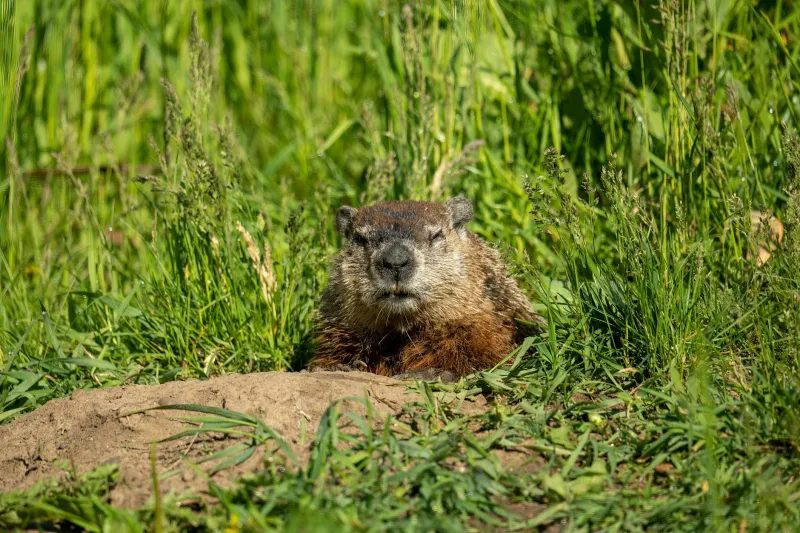
The Case Against America's Most Famous Groundhog
Punxsutawney Phil had one job: predict spring's arrival by either seeing his shadow or not. In February 2014, the famous groundhog emerged from his burrow, failed to spot his shadow, and confidently proclaimed an early spring was coming to Pennsylvania.
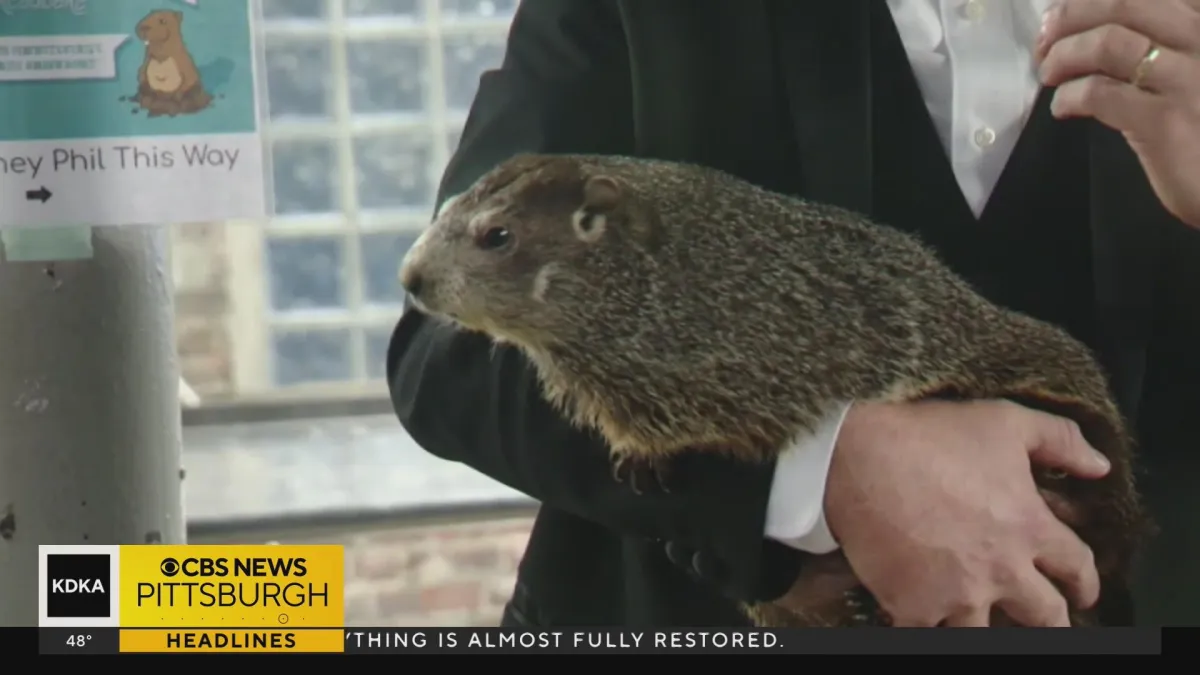 Photo: Punxsutawney Phil, via assets1.cbsnewsstatic.com
Six weeks later, Ohio was still buried under snow. Temperatures plummeted to record lows. Ice storms knocked out power grids. Winter refused to loosen its grip, and Butler County Prosecutor Michael Gmoser had apparently had enough.
On March 17, 2014, Gmoser filed formal charges against Punxsutawney Phil for "misrepresentation of early spring." The indictment accused the groundhog of deliberately misleading the public about weather conditions, causing emotional distress and economic hardship throughout the region.
A Publicity Stunt That Became Real Legal Theater
What began as Gmoser's tongue-in-cheek response to brutal weather conditions quickly escalated into something resembling actual legal proceedings. The prosecutor's office issued press releases. Local media covered the "case" with surprising seriousness. Phil's handlers at the Punxsutawney Groundhog Club were forced to respond publicly, defending their mascot's meteorological track record.
The charges carried a theoretical maximum penalty of death — though Gmoser generously offered to reduce the sentence to three years if Phil would simply apologize for the weather prediction gone wrong.
But here's where the story gets genuinely strange: putting animals on trial isn't just a modern publicity stunt. It's a legal tradition stretching back over 500 years.
The Long History of Animals in Court
Between the 13th and 18th centuries, European courts regularly prosecuted animals for crimes ranging from theft to murder. These weren't symbolic proceedings — they were full legal trials with appointed defense attorneys, witness testimony, and formal sentencing.
In 1474, a rooster in Basel, Switzerland was tried and executed for the "heinous crime" of laying an egg. The court determined that such an unnatural act could only be the work of Satan, making the bird a willing participant in witchcraft.
 Photo: Basel, Switzerland, via www.basel.com
French courts were particularly fond of animal trials. In 1386, a pig was hanged in Normandy for murdering a child. The animal received a full trial, complete with human clothing during the execution to emphasize the gravity of its crime.
Perhaps most bizarrely, entire species could face collective prosecution. In 1519, the town of Stelvio, Italy filed charges against a population of moles for damaging local crops. When the moles failed to appear in court (presumably because they were moles), they were tried in absentia and banished from the region.
The Legal Logic Behind Animal Trials
These prosecutions weren't random acts of medieval madness. They reflected genuine beliefs about animal consciousness and moral responsibility. If animals could be trained, if they could learn right from wrong, then they could presumably choose to commit crimes.
French legal scholar Bartholomé Chassenée built an entire career defending animals in court. His most famous case involved representing a colony of rats accused of destroying crops. Chassenée argued that his clients couldn't attend trial because local cats posed an unreasonable threat to their safety — essentially claiming the rats were being denied due process.
The court accepted this argument and postponed proceedings indefinitely.
Modern Echoes of Ancient Justice
Punxsutawney Phil's indictment follows this same logical framework, just with better public relations. If Phil possesses the supernatural ability to predict weather patterns, then he presumably bears responsibility when those predictions prove false.
The case also highlights our continued tendency to assign blame to forces beyond human control. Medieval communities prosecuted locusts for crop failures. Modern prosecutors indict groundhogs for winter weather. The targets change, but the impulse remains the same.
The Verdict That Never Came
Phil's case never went to trial. By April 2014, spring had finally arrived in Ohio, and Prosecutor Gmoser quietly dropped the charges. The groundhog's handlers issued no formal apology, though they did suggest that Phil's prediction had been technically accurate — spring had arrived early, just not early enough for Ohio's liking.
The whole affair lasted barely two months, but it connected modern America to a legal tradition that once saw European courts prosecute everything from pigs to beetles to swarms of bees.
Why This Actually Matters
Phil's prosecution reveals something profound about human nature: our desperate need to find someone — or something — to blame when life doesn't go according to plan. Medieval farmers blamed locusts for failed harvests. Modern communities blame groundhogs for harsh winters.
The specifics change, but the underlying psychology remains constant. We'd rather prosecute a rodent than accept that some things are simply beyond anyone's control — even a groundhog's.
So the next time Punxsutawney Phil emerges from his burrow with another weather prediction, remember: he's not just forecasting spring. He's participating in a legal tradition that stretches back to when European courts took animal testimony seriously and appointed lawyers to defend accused pigs.
Some traditions die hard. Others just get better press coverage.