The Form That Changed Everything
Margaret Chen had filled out hundreds of nonprofit registration forms during her twenty-year career as head librarian in Galesburg, Illinois. So when the Midwest Cultural Exchange Society asked for help with their federal paperwork in the spring of 1986, she didn't think twice about it.
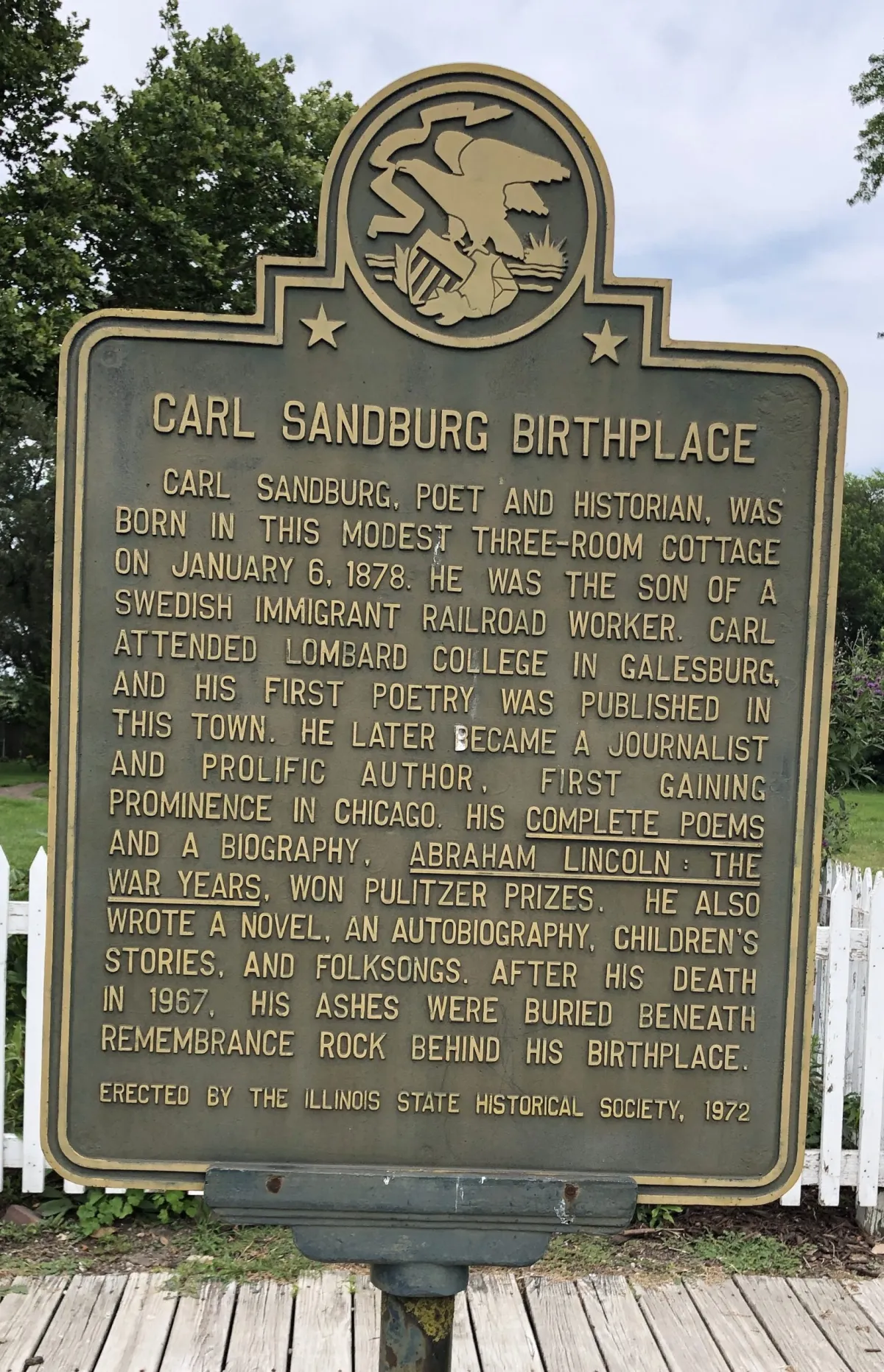 Photo: Galesburg, Illinois, via mythicmississippi.illinois.edu
 Photo: Margaret Chen, via cdoiq-apac.org
The group wanted to host visiting artists from various small European nations, and they needed official nonprofit status to receive grants. Chen grabbed Form 990-EZ from her filing cabinet, the same form she'd completed for the local quilting circle, the community theater group, and dozens of other organizations over the years.
But buried on page three was a checkbox she'd never encountered before: "Organization represents foreign government interests." The accompanying text was a masterpiece of bureaucratic confusion, asking whether the group "acts on behalf of, receives funding from, or maintains formal relationships with any foreign governmental entity, including but not limited to nations, territories, provinces, or other sovereign bodies as recognized by the Department of State."
Chen figured the visiting artist program qualified. After all, they were working with cultural ministries from several countries. She checked the box.
The Nation Nobody Could Find
What Chen didn't realize was that checking that box triggered an entirely different registration process. Instead of simply filing for nonprofit status, she had inadvertently completed Form FARA-1: Foreign Agents Registration Act documentation. And through a series of clerical mishaps that would make Kafka proud, her paperwork got cross-referenced with a list of "emerging European entities" that the State Department was tracking during the final years of the Cold War.
Somewhere in the bureaucratic shuffle, Margaret Chen, small-town librarian and part-time volunteer coordinator, became the officially registered representative of the Republic of Valdonia — a microstate that existed primarily in the imagination of a group of Bavarian separatists who had declared independence from West Germany the previous year.
Valdonia consisted of a single farmhouse, three outbuildings, and approximately twelve acres of disputed territory near the Austrian border. Its "government" was one elderly farmer named Klaus Brenner who had gotten into a property tax dispute with Munich and decided the solution was secession.
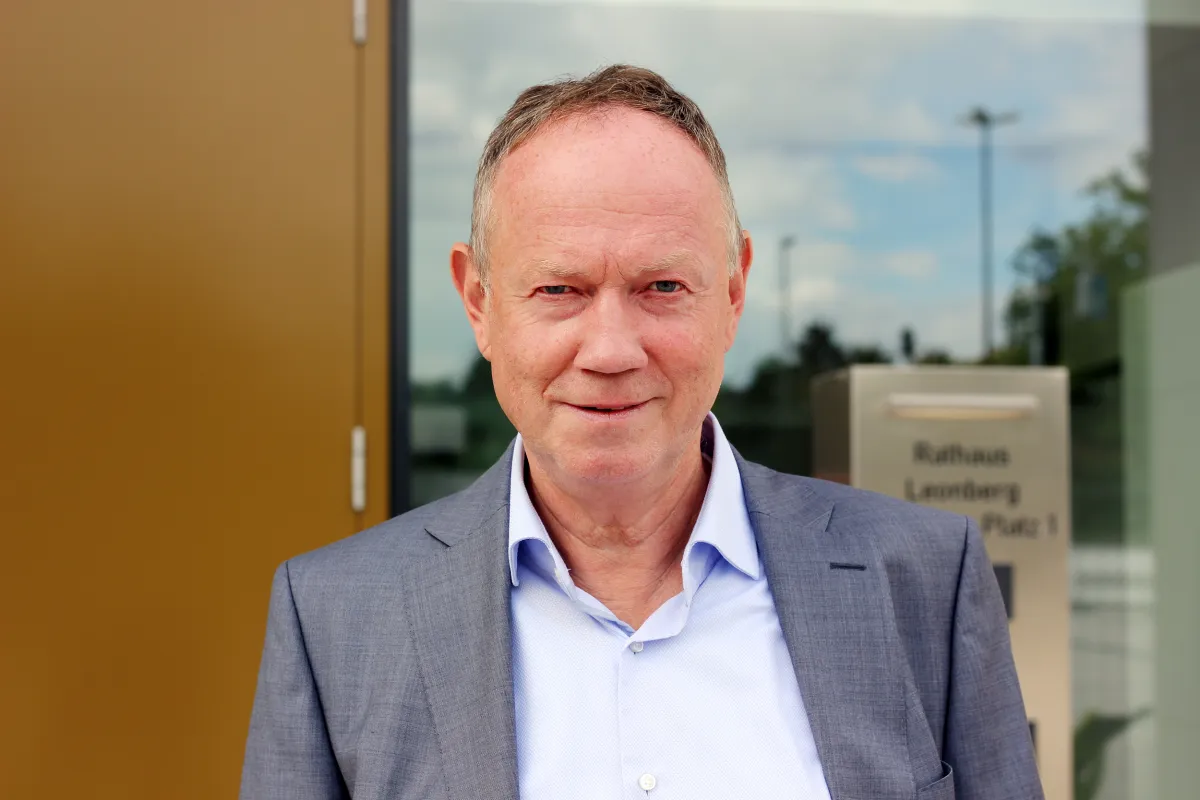 Photo: Klaus Brenner, via klaus-brenner-leo.de
When Washington Noticed
For eighteen months, nothing happened. Chen's cultural exchange group hosted their artists, received their grants, and everyone went about their business. Then, in late 1987, the Treasury Department's Financial Crimes Enforcement Network ran a routine audit of foreign agent registrations and discovered something peculiar.
According to their records, the Republic of Valdonia — which they couldn't locate on any official map — was represented by a librarian in Illinois who had reported exactly zero dollars in foreign government payments, zero lobbying activities, and zero contact with her supposed foreign principals.
This triggered what one former Treasury official later described as "the most surreal investigation of my thirty-year career."
The Investigation That Went Nowhere
Federal investigators spent six months trying to figure out what Margaret Chen was up to. They interviewed her three times, visited the library twice, and conducted what they called "background research" into the Republic of Valdonia — which mostly involved calling various European embassies and asking if anyone had heard of it.
The German Embassy was particularly unhelpful. When asked about Valdonian diplomatic relations, a confused attaché reportedly said, "I'm sorry, could you spell that again?"
Meanwhile, Chen was trying to understand why federal agents kept asking about her "foreign contacts" and whether she had received any "instructions from Valdonian leadership." She'd never heard of Valdonia, had no idea she was supposedly representing it, and couldn't fathom why anyone thought a public library in central Illinois would be involved in international relations.
The Resolution Nobody Expected
The breakthrough came when an investigator finally tracked down Klaus Brenner, Valdonia's self-appointed president. Brenner was delighted to learn he had an official representative in America, though he was puzzled about why she'd never contacted him.
"I would very much like to meet this lady," he told investigators through a translator. "Perhaps she could help us with our tourism brochure."
It took another six months of paperwork to officially "de-register" Chen as a foreign agent. The process required written confirmation from Brenner that he was releasing her from her duties (duties she'd never known she had), a formal letter from Chen stating she had never acted on behalf of Valdonian interests, and three separate federal agencies signing off on the cancellation.
By the time it was all sorted out, the Republic of Valdonia had quietly dissolved anyway. Brenner had reconciled with the German tax authorities and returned to farming.
The Checkbox That Started It All
The whole mess led to a revision of Form 990-EZ, adding clarifying language that Chen later described as "what they should have written in the first place." The new version explicitly distinguished between cultural exchanges and foreign government representation, potentially saving future librarians from accidental diplomatic careers.
Chen kept copies of all the paperwork in a special file she labeled "The Time I Almost Started a War." She never did get to meet Klaus Brenner, though he sent her a Christmas card in 1989 featuring a photo of his farm and a handwritten note: "Thank you for your service to Valdonia."
She still has the card.